


In the intricate network of plumbing systems that deliver water and manage waste in modern homes, two essential components stand at the forefront: water pressure and the sewer system. While they each serve distinct yet equally important roles, the way in which they work together, and at times against each other, can influence the efficiency and longevity of a home’s plumbing system. For homeowners, understanding the relationship between water pressure and the sewer system is crucial for maintaining a properly functioning home. But which one is more important, and how can they be balanced to achieve optimal performance?
Understanding Water Pressure in Plumbing
Water pressure is one of the most fundamental aspects of a well-functioning plumbing system. It refers to the force at which water travels through the pipes, ensuring that it reaches your fixtures with enough power to perform essential functions such as filling a bathtub, flushing a toilet, or washing your hands. The ideal water pressure for most residential systems is between 40 and 80 pounds per square inch (PSI), though it can vary based on location and system requirements.
High water pressure offers some immediate benefits. For one, it delivers strong, fast-flowing water to your faucets and appliances, providing the convenience of quick refills and faster showers. This is particularly important in larger households where multiple fixtures may be in use at once. High pressure also contributes to the effectiveness of appliances such as dishwashers and washing machines, allowing them to clean more efficiently.
However, the benefits of high water pressure come with significant drawbacks. Overly high pressure can lead to the premature wear and tear of pipes, joints, and fixtures, causing leaks, corrosion, and a greater risk of water damage. Moreover, excessive water pressure can increase utility bills, as appliances consume more water than necessary. As a result, maintaining a balanced water pressure level is critical to ensure the system operates efficiently while avoiding long-term damage to both the pipes and your wallet.
The Role of the Sewer System in Plumbing
While water pressure ensures the smooth delivery of water to fixtures, the sewer system is responsible for transporting waste and wastewater away from the home. Comprised of a series of pipes, drains, and vents, the sewer system operates primarily through gravity to remove waste from toilets, sinks, and showers. The water flows into a municipal sewer system or a septic tank, where it is processed and eventually discarded.
One of the most important aspects of a functional sewer system is drainage slope, which helps wastewater flow naturally from your home to the main sewer line. If the pipes are too flat or improperly installed, it can lead to slow drainage or even blockages. On the flip side, if the slope is too steep, it can cause the water to flow too quickly, leaving behind solids that can clog the pipes.
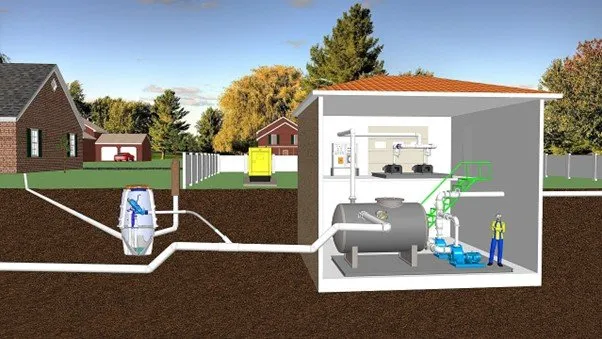
Unlike water pressure, the sewer system is largely dependent on gravity rather than force. The flow of wastewater is dictated by the layout and elevation of the plumbing in a building. In situations where gravity cannot adequately move waste, such as in basements or lower-level floors, a sewage ejector pump may be used to force the wastewater into the main drain line.
An efficient sewer system can prevent a wide range of plumbing issues, including clogged drains, foul odors, and sewage backups. Regular maintenance, including the use of drain cleaners and root removal tools, is essential to ensuring that your sewer system remains clear and functional.
The Relationship Between Water Pressure and Sewer Functionality
At first glance, water pressure and the sewer system may seem entirely separate. However, the two systems are closely interrelated, and issues in one area can impact the performance of the other. For example, high water pressure can exacerbate plumbing problems, including sewer system issues. Excessive water pressure can result in a buildup of strain on both the pipes and the fixtures. This strain can cause leaks or bursts, which may lead to wastewater backups or compromised seals in the sewer system.
Similarly, the proper flow of water from fixtures plays a vital role in the functionality of the sewer system. If there is insufficient water pressure, drains may fail to evacuate waste efficiently, leading to slow drainage or even blockages. This issue is particularly problematic in homes with older plumbing systems that are already prone to rust, clogs, or pipe damage.
Another key factor is the role of water usage in maintaining the sewer system. When water is used excessively, whether due to high pressure or inefficient fixtures, it places added stress on the sewer system. Over time, this can cause backups and increase the likelihood of plumbing problems. Homeowners with a high demand for water should consider low-flow fixtures and water-saving appliances to reduce the load on both the water pressure system and the sewer system.
Balancing Water Pressure for Optimal Sewer Function
To achieve a plumbing system that works harmoniously, it’s important to maintain a balanced water pressure level while ensuring the sewer system remains functional. Here are some tips for balancing both systems:
-
Install a Pressure Regulator: If your home experiences high water pressure, consider installing a pressure regulator. This device ensures that the water pressure remains within the ideal range (40-80 PSI), preventing excessive wear and tear on pipes and fixtures while still delivering adequate water to your faucets.
-
Use Water-Efficient Appliances: To minimize the strain on both the water pressure and sewer systems, consider switching to water-efficient appliances. Low-flow toilets, faucets, and showerheads reduce water usage without sacrificing performance. This not only lowers your water bills but also reduces the overall strain on your plumbing infrastructure.
-
Monitor Sewer Line Health: Regular maintenance of your sewer system is just as important as maintaining water pressure. Schedule regular inspections to check for clogs, tree root intrusions, or other potential blockages that could hinder the flow of wastewater. Taking proactive measures can help prevent costly repairs and avoid unexpected sewage backups.
-
Ensure Proper Drainage Slope: Proper drainage slope is essential for the smooth operation of your sewer system. If you notice slow drainage or standing water in your drains, it’s worth consulting a plumber to ensure the slope is appropriate and to address any underlying issues.
-
Fix Leaks Promptly: Leaks in both the water supply and the sewer lines can negatively impact your plumbing system. Address any leaks as soon as possible, as they can lead to a variety of problems, including increased water pressure, reduced drainage, and even structural damage.
Conclusion: Water Pressure and Sewer Systems Work Best in Tandem
While water pressure and the sewer system have distinct functions within a plumbing setup, both are essential to the overall health and efficiency of your home’s plumbing system. Water pressure ensures that you receive an adequate supply of water, while the sewer system manages the removal of waste. However, problems in one area can affect the performance of the other, making it vital to maintain balance between the two.
The key to optimal plumbing is not choosing one over the other, but rather understanding how they interact and ensuring both systems are properly regulated and maintained. By balancing water pressure, regularly inspecting your sewer system, and using water-efficient appliances, homeowners can create a plumbing environment that is both efficient and reliable, minimizing the risk of costly repairs and ensuring the smooth operation of essential systems. In the end, the best plumbing systems work in harmony, with water pressure and sewer systems complementing each other to deliver a seamless and trouble-free experience.