


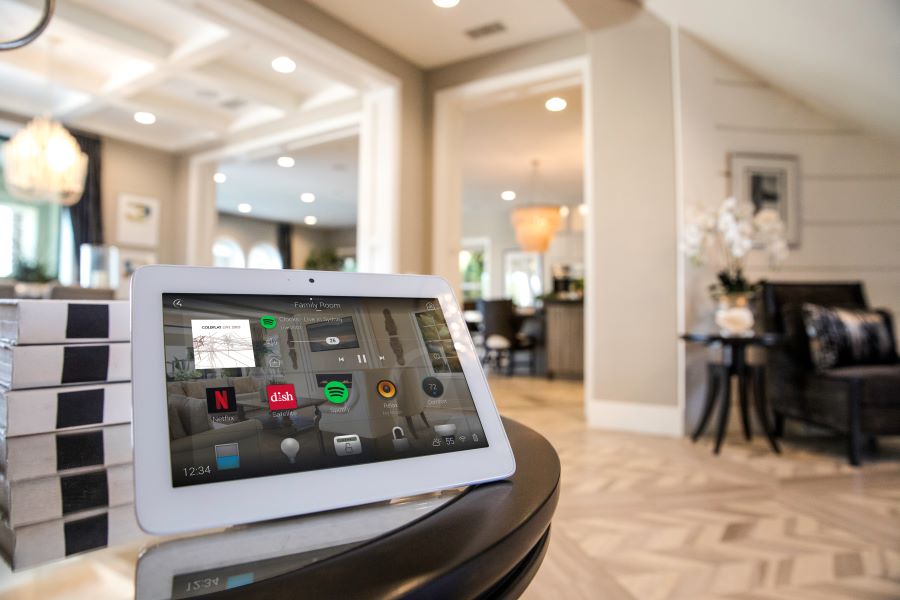
Home living is undergoing a quiet but powerful transformation. What once felt futuristic—homes that think, respond, and adapt—has become increasingly common. From intelligent climate control to voice-activated lighting, technology is reshaping how people experience comfort, safety, and everyday convenience within their living spaces.
As innovation accelerates, homes are no longer just shelters; they are becoming responsive ecosystems designed around human needs.
The Rise of Smart Homes
Smart homes are built on interconnected devices that communicate seamlessly. These systems learn user preferences, automate repetitive tasks, and create environments that feel intuitive rather than mechanical.
Key drivers behind this shift include:
-
Faster internet connectivity
-
Affordable smart devices
-
Growing demand for convenience and efficiency
Instead of manually adjusting settings, homeowners now expect their homes to anticipate needs.
Comfort Powered by Intelligent Automation
Comfort is no longer limited to furniture and décor. Technology now fine-tunes the living environment itself.
Personalized Climate Control
Smart thermostats analyze daily routines and weather patterns to maintain ideal indoor temperatures. Over time, they adapt automatically, balancing comfort with energy efficiency.
Adaptive Lighting Systems
Lighting systems adjust brightness and color temperature based on:
-
Time of day
-
Natural light levels
-
Activities such as reading, relaxing, or working
This not only enhances mood but also reduces eye strain and energy waste.
Convenience Through Voice and Touchless Control
Voice assistants and touchless interfaces have redefined daily interactions with the home. Simple commands can now:
-
Turn appliances on or off
-
Play music or podcasts
-
Control curtains, fans, and lights
This hands-free convenience is especially valuable in kitchens, for elderly users, and in accessibility-focused home designs.
Smarter Kitchens and Living Spaces
The heart of the home is becoming smarter than ever.
Connected kitchen appliances can:
-
Suggest recipes based on available ingredients
-
Monitor food freshness
-
Optimize cooking times and temperatures
In living rooms, smart entertainment systems synchronize audio, visuals, and lighting to create immersive experiences with minimal setup.
Enhanced Home Security and Peace of Mind
Technology has significantly improved residential safety. Modern home security systems go far beyond basic alarms.
Notable advancements include:
-
Real-time video monitoring via smartphones
-
Motion detection with instant alerts
-
Smart locks with temporary access permissions
These features allow homeowners to stay connected and informed, whether they’re at work or traveling abroad.
Energy Efficiency and Sustainable Living
Smart homes are playing a major role in sustainable living. Intelligent energy management tools track consumption patterns and identify areas for improvement.
Benefits include:
-
Reduced utility bills
-
Lower carbon footprint
-
Smarter use of renewable energy sources
By aligning comfort with conservation, technology supports both personal savings and environmental responsibility.
Health, Wellness, and Indoor Living
The future home also prioritizes well-being. Emerging technologies monitor air quality, humidity, and noise levels to create healthier indoor environments.
Some systems can:
-
Filter pollutants automatically
-
Regulate humidity for respiratory comfort
-
Encourage better sleep through lighting and sound adjustments
Homes are evolving into spaces that actively support physical and mental health.
The Human-Centered Home of Tomorrow
As technology becomes more intuitive, the focus is shifting from gadgets to experiences. The most successful smart homes are those where technology fades into the background, enhancing life without demanding attention.
The future of home living is not about complexity—it’s about effortless comfort, seamless convenience, and spaces that adapt to the people within them.
Frequently Asked Questions (FAQs)
1. Are smart homes expensive to build or upgrade?
Costs vary widely. Many smart features can be added gradually, making it possible to upgrade without major upfront investment.
2. Can smart home technology work in older houses?
Yes, most modern smart devices are designed to retrofit existing homes without structural changes.
3. How secure are smart home systems from hacking?
Security depends on strong passwords, regular updates, and choosing reputable devices with built-in encryption.
4. Do smart homes save money in the long run?
Energy-efficient systems often reduce utility bills, which can offset initial costs over time.
5. Is smart home technology suitable for elderly residents?
Absolutely. Voice control, automation, and monitoring features can greatly improve accessibility and safety.
6. What happens if the internet goes down?
Many systems retain basic functionality offline, though advanced remote features may be temporarily unavailable.
7. Will smart homes become fully autonomous in the future?
While full autonomy is still evolving, future homes will increasingly predict needs and respond with minimal human input.