


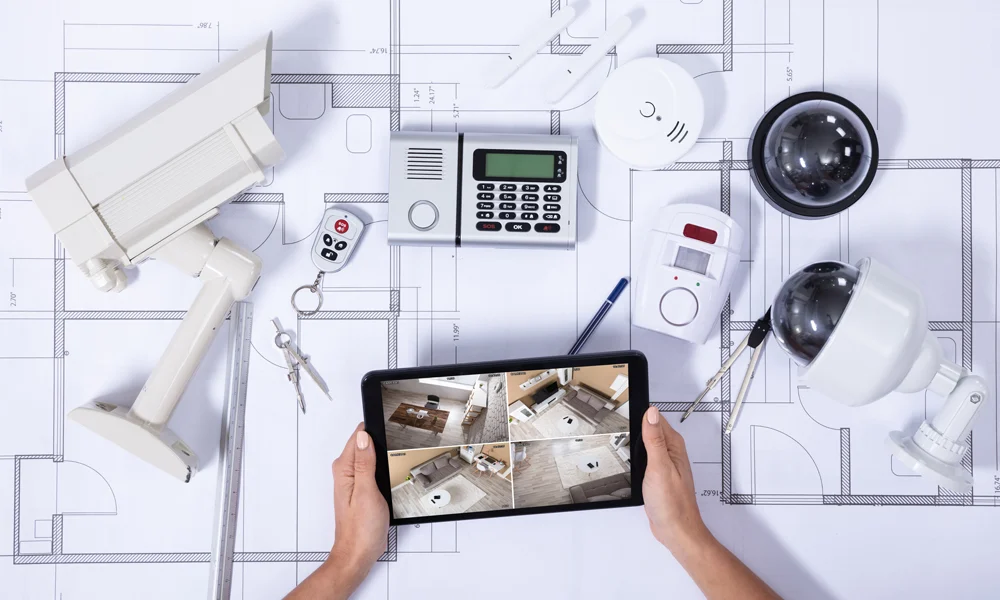
Smart home security has evolved far beyond simple surveillance cameras and basic motion detectors. Modern systems now combine intelligent hardware, automation, and real-time connectivity to create a layered defense that protects homes more proactively and discreetly. This shift focuses not only on detecting intrusions, but also on preventing them, responding faster, and adapting to daily life.
The Evolution of Home Security Technology
Traditional security setups relied on visible deterrents—cameras, alarms, and sensors triggered by movement. While still essential, these tools alone are no longer enough. Today’s smart home security systems integrate AI-driven analysis, environmental monitoring, and user behavior patterns to provide smarter protection with fewer false alarms.
Modern systems emphasize:
-
Context awareness rather than simple triggers
-
Remote control and monitoring via mobile apps
-
Automation that responds instantly without manual input
Smart Locks: Redefining Entry Point Security
Smart locks are one of the most impactful upgrades in home security. They eliminate the risks associated with lost or duplicated keys while offering greater control over who enters your home.
Key advantages include:
-
Biometric access (fingerprint or facial recognition)
-
Temporary digital keys for guests or service providers
-
Automatic locking based on schedules or proximity
-
Activity logs showing exactly when doors are opened or closed
These locks integrate seamlessly with broader smart home systems, allowing doors to lock automatically when security modes are activated.
Glass Break and Vibration Sensors
Intruders don’t always use doors or windows the conventional way. Glass break sensors detect the specific frequency of shattering glass, while vibration sensors sense abnormal impacts on windows, walls, or safes.
Benefits of these sensors:
-
Detect forced entry before full access is gained
-
Reduce reliance on motion-based triggers
-
Add protection to vulnerable areas like basements and garages
They provide an extra layer of security that works silently in the background.
Environmental Monitoring as a Security Layer
Home security is no longer limited to crime prevention. Smart systems now monitor environmental threats that can be just as dangerous.
Common environmental sensors include:
-
Smart smoke and heat detectors
-
Carbon monoxide sensors
-
Water leak and flood detectors
-
Gas leak monitors
These devices send instant alerts to homeowners, often preventing catastrophic damage or health risks before they escalate.
AI-Powered Behavioral Detection
Artificial intelligence has transformed how security systems interpret activity. Instead of reacting to every movement, AI-powered systems analyze patterns and context.
Examples include:
-
Distinguishing between pets and humans
-
Recognizing familiar household members
-
Detecting unusual activity at odd hours
This reduces false alarms while ensuring genuine threats receive immediate attention.
Integrated Security Hubs and Automation
At the heart of advanced smart home security is a central hub that connects all devices into one cohesive system. This hub enables automation scenarios that improve both safety and convenience.
Common automation examples:
-
Lights turning on automatically when unexpected motion is detected
-
Doors locking and alarms arming when you leave home
-
Emergency services being contacted automatically during critical events
Automation ensures that security responses are fast, consistent, and not dependent on human reaction time.
Privacy and Data Protection Considerations
With increased connectivity comes increased responsibility. Modern systems place greater emphasis on encryption, local data processing, and user-controlled permissions.
Best practices include:
-
Choosing systems with end-to-end encryption
-
Enabling two-factor authentication
-
Regularly updating firmware
-
Reviewing device access permissions
Security should protect your home without compromising your personal data.
The Future of Smart Home Security
The future points toward predictive security, where systems anticipate threats based on data trends rather than reacting after an event occurs. Integration with smart neighborhoods, emergency services, and energy management systems will further enhance overall safety and efficiency.
Smart home security is no longer just about watching—it’s about understanding, preventing, and responding intelligently.
Frequently Asked Questions (FAQs)
1. Are smart home security systems effective without cameras?
Yes, many systems rely on smart locks, sensors, and automation to provide strong protection without continuous video monitoring.
2. Can smart security systems work during internet outages?
Most advanced systems include local processing or cellular backups to maintain core functions during outages.
3. How do smart security systems reduce false alarms?
AI-driven pattern recognition and multi-sensor verification help distinguish real threats from normal household activity.
4. Are smart locks safer than traditional locks?
When properly secured and updated, smart locks offer better access control, logging, and tamper alerts than traditional locks.
5. Do environmental sensors really count as security devices?
Yes, they protect against non-criminal threats like fires, leaks, and gas exposure, which can be equally dangerous.
6. Is professional monitoring necessary for smart home security?
It depends on personal preference; many homeowners rely on self-monitoring, while others prefer 24/7 professional response.
7. How scalable are smart home security systems?
Most systems are highly scalable, allowing homeowners to add or remove devices as needs change.