


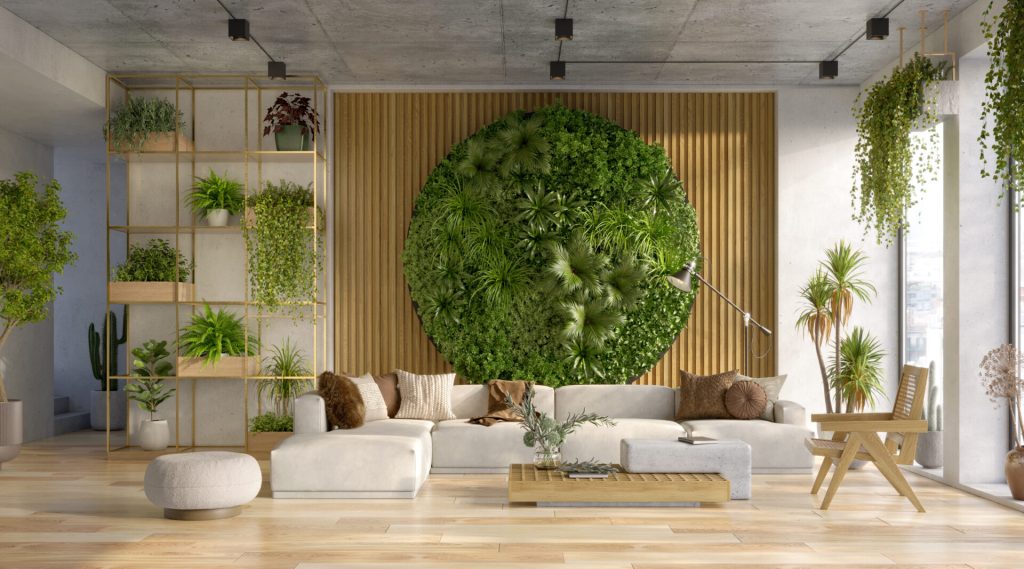
Sustainable interiors are no longer defined by compromise or austerity. Today, they represent a sophisticated design language—one rooted in resource consciousness, craft revival, and long-term thinking. The shift from disposable décor to enduring interiors has reshaped how designers and homeowners approach materials, aesthetics, and value.
This new language speaks through surfaces that carry history, objects given second lives, and refined systems that reduce environmental impact without sacrificing comfort or beauty.
The Meaning Behind Reclaimed Design
Reclaimed materials are salvaged from old structures, warehouses, ships, and factories, then repurposed into functional or decorative interior elements. Rather than imitating age, reclaimed design embodies it.
Common reclaimed elements include:
-
Wood beams and flooring from demolished buildings
-
Brick and stone reused for feature walls
-
Metal fixtures crafted from industrial scrap
-
Vintage doors and windows adapted for modern layouts
Beyond sustainability, reclaimed materials add authenticity. Each imperfection—nail marks, weathering, patina—becomes part of the narrative, offering depth that new materials often lack.
Reuse as a Design Philosophy
Reuse goes beyond materials; it reflects a mindset. Instead of discarding, designers reinterpret and recontextualize existing objects.
Examples of reuse in interiors:
-
Old ladders converted into shelving
-
Antique trunks repurposed as coffee tables
-
Glass bottles transformed into lighting fixtures
-
Architectural salvage integrated as décor accents
This approach reduces waste while encouraging creative problem-solving. Reuse also supports local artisans and resale markets, strengthening community-based design ecosystems.
Refinement: Where Sustainability Meets Sophistication
Sustainable interiors have evolved far past rustic or industrial stereotypes. Refinement is the bridge between environmental responsibility and modern elegance.
Refined sustainable spaces often feature:
-
Clean-lined furniture made from recycled or certified materials
-
Natural finishes such as limewash, clay plaster, and low-VOC paints
-
Neutral, earthy palettes that age gracefully over time
-
Thoughtful lighting design emphasizing efficiency and atmosphere
Refinement ensures that sustainability feels intentional, not improvised. It’s about editing, not adding—choosing fewer, better elements that last.
Materials That Define the New Sustainable Interior
The modern sustainable interior relies on materials chosen for durability, renewability, and environmental impact.
Key materials shaping this movement:
-
Reclaimed wood for warmth and structural character
-
Bamboo and cork for fast-renewing surfaces
-
Recycled glass and metal for fixtures and accents
-
Organic textiles like linen, wool, and hemp
These materials support healthier indoor environments while offering tactile richness and visual restraint.
The Emotional Value of Sustainable Spaces
Sustainable interiors resonate on an emotional level. Living among materials with history or purpose fosters a deeper connection to space.
Benefits often reported by occupants include:
-
Greater sense of calm and grounding
-
Reduced visual clutter and overstimulation
-
Stronger appreciation for craftsmanship
-
Increased awareness of consumption habits
Design becomes not just functional or aesthetic, but meaningful.
Sustainability as a Long-Term Investment
Choosing reclaimed, reused, and refined elements isn’t just environmentally responsible—it’s economically sound. Durable materials and timeless design reduce the need for frequent updates, lowering long-term costs.
Well-executed sustainable interiors:
-
Age better than trend-driven designs
-
Retain resale and property value
-
Require less maintenance over time
-
Adapt easily to evolving lifestyles
Sustainability, when done right, is future-proof design.
The New Design Language in Practice
The language of sustainable interiors is subtle but powerful. It values honesty of materials, respect for resources, and intentional living. Rather than shouting its values, it communicates them through texture, restraint, and longevity.
As sustainability becomes a standard rather than a niche, interiors grounded in reclaimed, reused, and refined principles will define the next era of design.
Frequently Asked Questions
What is the difference between reclaimed and recycled materials in interiors?
Reclaimed materials are reused in their original form, while recycled materials are processed into new products before reuse.
Are reclaimed materials safe for indoor use?
Yes, when properly treated and sealed, reclaimed materials are safe, durable, and suitable for interior environments.
Does sustainable interior design cost more?
Initial costs can vary, but sustainable interiors often save money long-term due to durability, energy efficiency, and reduced replacement needs.
Can sustainable interiors still look modern and luxurious?
Absolutely. Refinement and thoughtful detailing allow sustainable spaces to feel contemporary, elegant, and high-end.
How do sustainable interiors improve indoor air quality?
They rely on low-VOC finishes, natural materials, and fewer synthetic compounds, resulting in healthier air.
Is sustainable interior design suitable for small spaces?
Yes. Sustainable principles emphasize efficiency, multifunctional furniture, and intentional layouts—ideal for compact interiors.
How can homeowners start transitioning to sustainable interiors?
Begin with small changes like reused furniture, eco-friendly paints, or reclaimed accents, then build toward larger material upgrades over time.