


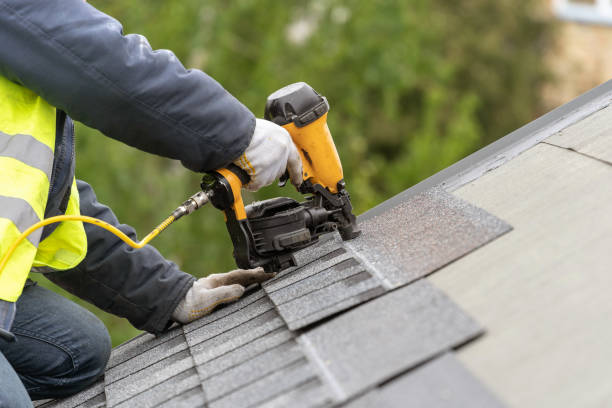
In the world of construction and home improvement, the roof is often seen as the unsung hero. It shields us from the elements, provides insulation, and enhances the overall aesthetic of a building. However, over time, roofs wear down due to environmental exposure, weather events, and general aging. This has led to the continuous evolution of roofing repair techniques and materials, as both homeowners and contractors seek more efficient, durable, and sustainable ways to restore and maintain roofs. The trends in roofing repair have evolved rapidly in recent years, influenced by advancements in technology, environmental concerns, and a growing emphasis on cost-effectiveness. These trends are transforming how we approach roof repairs, offering more sustainable, faster, and long-lasting solutions.
1. Eco-Friendly Roofing Repair Solutions
In recent years, sustainability has become an overriding concern across all sectors, and roofing repair is no exception. Homeowners and businesses alike are looking for ways to repair their roofs without exacerbating the environmental issues we already face. One of the primary ways the roofing industry is responding is through the use of eco-friendly materials and techniques.
Traditional roofing materials such as asphalt shingles can take decades to decompose, contributing to landfill waste. In contrast, green roofing solutions have gained prominence in the repair sector. These solutions involve using sustainable, recycled, or upcycled materials, such as rubber, plastic, and even reclaimed wood or metal, to repair and restore roofs. These materials not only reduce waste but often offer greater durability than their traditional counterparts.
Additionally, eco-conscious contractors are embracing “cool roofs” in their repairs. These roofs feature reflective coatings or materials designed to reduce the absorption of heat, thus improving energy efficiency within the home or building. By reflecting sunlight and absorbing less heat, these roofs help lower cooling costs, making them particularly beneficial in warmer climates.
2. Advancements in Roofing Technology: Drones and AI in Roof Inspections
Technology has played a transformative role in how roofing repairs are executed, particularly with regard to inspections. Gone are the days when contractors had to rely on ladders or scaffolding to manually assess roof damage. The introduction of drones has revolutionized roof inspections, making them quicker, safer, and more accurate.
Drones equipped with high-definition cameras and thermal imaging can capture detailed images of a roof’s condition from all angles, even in hard-to-reach areas. This technology allows contractors to identify problems such as leaks, cracks, and damaged shingles without putting themselves or their equipment in danger. Furthermore, drones can provide high-resolution images that help create precise repair estimates, ensuring that no detail is missed and reducing the risk of costly repairs later on.
Artificial intelligence (AI) is also being integrated into roof inspection and repair. AI software can analyze data collected from drones, sensors, or other diagnostic tools to detect patterns of damage or wear and predict future issues. By utilizing this technology, contractors can identify potential problems before they become critical, enabling proactive repairs that save homeowners significant amounts of money in the long run.
When an inspection identifies leaks, damaged shingles or other deterioration, arranging professional Roof Repair can help address the damage before it develops into a more extensive roofing problem.
3. Seamless Roof Repairs with Advanced Membranes and Coatings
Roof coatings and membranes have become a game-changer in roof repair, providing an effective way to restore the integrity of a roof without the need for a complete replacement. These products are applied directly to the existing roofing material, forming a seamless, durable, and weather-resistant barrier that can extend the life of the roof for many years.
The use of advanced elastomeric coatings, which are flexible and highly resistant to cracking, has become a standard in modern roof repair. These coatings can be applied to a wide range of roof types, including metal, flat, and sloped roofs. Their ability to expand and contract with changing temperatures makes them an ideal solution for climates that experience significant temperature fluctuations.
Additionally, silicone-based roof coatings have gained popularity for their waterproofing capabilities. These coatings create a smooth, non-porous surface that resists water penetration, thereby preventing leaks and reducing the need for frequent repairs. Many of these coatings are also highly resistant to UV rays, which helps prevent damage from sun exposure, a common issue in roofing materials.
4. Synthetic and Composite Materials for Durable Roof Repairs
Synthetic and composite roofing materials have emerged as one of the most significant trends in roof repair in recent years. These materials are engineered to combine the best qualities of traditional roofing materials with modern technology, resulting in products that are lighter, more durable, and easier to install.
For example, synthetic slate and shake roofing materials have gained popularity as a repair option for homeowners seeking the look of natural stone or wood without the associated maintenance requirements. These materials are made from high-density polymers that are resistant to cracking, fading, and weathering, making them ideal for areas prone to extreme weather conditions such as hailstorms or heavy rainfall.
Composite roofing shingles, which are made from a mixture of asphalt, fiberglass, and recycled materials, have also seen a rise in popularity. These shingles are not only highly durable but also more fire-resistant than traditional asphalt shingles, adding an extra layer of safety to residential and commercial buildings. Their lightweight nature makes them easier to install, reducing labor costs and repair time.
5. Roof Repair with Minimal Disruption: The Rise of No-Demo Solutions
In the past, roof repairs often meant significant disruption to daily life, as entire sections of a roof had to be removed before repairs could begin. However, with new technologies and materials, roof repairs are becoming more efficient and less disruptive. One such innovation is the no-demo roofing solution, which involves repairing a roof without the need to remove the old roofing materials.
This method utilizes advanced materials such as spray foam insulation or roofing overlays, which can be applied directly on top of the existing roof. These solutions eliminate the mess and inconvenience of traditional roof replacement while still providing a durable, long-lasting result. Spray foam, for example, can be applied to roofs to provide insulation, air sealing, and waterproofing, all in one application. It adheres seamlessly to the existing roof, creating an airtight barrier that improves the energy efficiency of the building and prevents leaks.
Additionally, this trend is environmentally friendly, as it prevents the need for disposal of old roofing materials, which often end up in landfills. No-demo solutions are particularly popular among homeowners who are looking for a quick, efficient, and cost-effective way to repair their roofs without a major renovation.
6. Longer Warranties and Extended Roof Lifespan
With the growing focus on durability and performance, manufacturers and contractors are increasingly offering longer warranties on roofing repairs. This trend reflects the advancements in roofing technology and the higher quality of materials now available. Extended warranties provide homeowners with peace of mind, knowing that their repairs will last for years to come and that they are protected from future repair costs.
In many cases, modern roofing materials such as high-performance shingles, coatings, and membranes come with warranties that last 20 years or more, offering a significant improvement over traditional roofing solutions. These extended warranties are a testament to the advancements in roofing technology, which has made modern roofing systems more durable and resistant to wear and tear.
Conclusion
The roofing repair industry is experiencing a period of remarkable transformation, with new materials, technologies, and methods emerging to make roof restoration faster, more efficient, and more sustainable. From eco-friendly solutions to high-tech inspections and durable synthetic materials, the trends in roofing repair are focused on enhancing performance while reducing the impact on the environment. These innovations not only provide homeowners with cost-effective solutions but also contribute to the long-term durability and energy efficiency of their homes. As the demand for greener, more efficient, and long-lasting roofing solutions continues to grow, it’s clear that the future of roof repair is brighter and more advanced than ever before.