


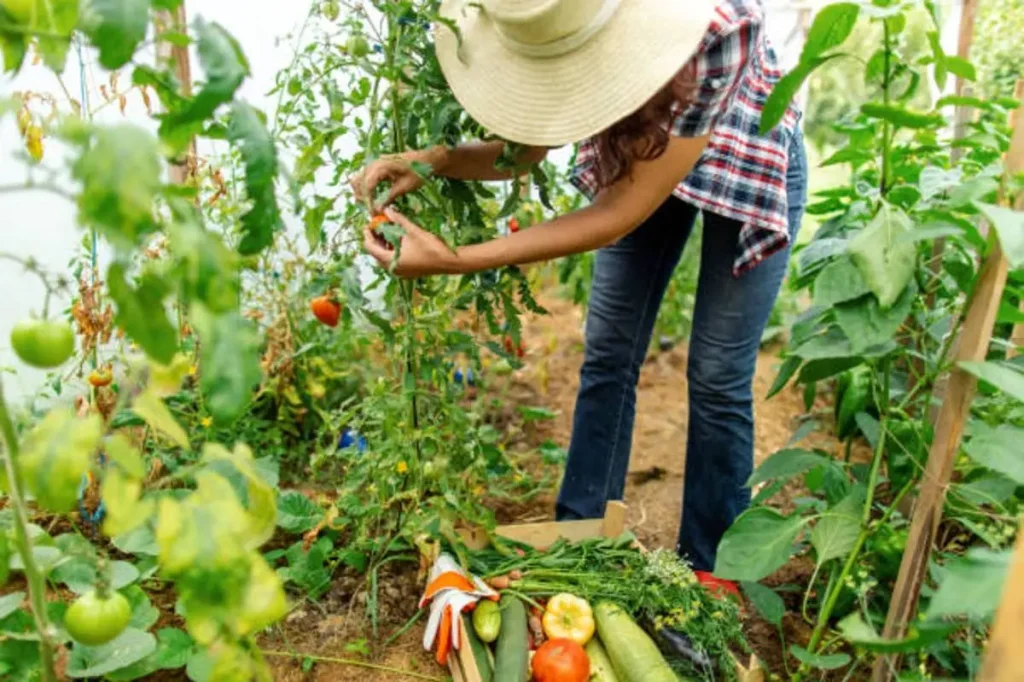
Gardening has long been a beloved activity, a pastime that allows individuals to connect with nature, cultivate beauty, and reap the benefits of homegrown produce. As society becomes increasingly aware of the environmental impact of modern farming practices, a surge in organic gardening has taken root. What was once considered a niche hobby has blossomed into a movement—one that not only focuses on producing healthy, pesticide-free food but also on maintaining biodiversity and supporting the planet’s ecosystems. Today, organic gardening is being reshaped by a variety of new trends that are redefining how we approach gardening and outdoor spaces. From sustainability-driven techniques to cutting-edge technologies, these trends are paving the way for a new era of garden design and maintenance.
1. Regenerative Gardening: Beyond Sustainability
Regenerative gardening is an approach that extends beyond sustainability. While sustainable practices aim to minimize harm to the environment, regenerative gardening seeks to restore and enhance the health of the land. This trend is rapidly gaining popularity as gardeners and farmers alike look for ways to heal the soil, boost biodiversity, and support ecosystems.
Key practices in regenerative gardening include:
-
Composting and Mulching: By returning organic matter to the soil, gardeners enhance its fertility and improve moisture retention. Mulching also helps suppress weeds and regulate soil temperature, reducing the need for chemical interventions.
-
Cover Crops: Planting cover crops such as clover, alfalfa, and legumes helps prevent soil erosion, enrich the soil with nitrogen, and create habitats for beneficial insects.
-
Permaculture Principles: Inspired by nature, permaculture focuses on creating self-sustaining systems where plants, animals, and insects work in harmony. It emphasizes polycultures—growing multiple crops together to improve resilience and pest control.
This trend is a direct response to the degradation of soil health due to intensive industrial farming. By adopting regenerative practices, gardeners are able to increase soil vitality and contribute to the long-term health of their environment.
2. Vertical Gardening and Space-Saving Solutions
Urban gardening is on the rise as more people with limited space look for ways to grow their own food. Vertical gardening has emerged as one of the most innovative solutions for transforming small or confined outdoor spaces into thriving green areas. Whether it’s an apartment balcony or a small backyard, vertical gardens make the most of vertical space, allowing homeowners to grow herbs, vegetables, and even flowers without sacrificing square footage.
Key vertical gardening techniques include:
-
Green Walls: These are plant-filled structures mounted on the exterior or interior walls of buildings. Green walls can be made from modular panels or custom-designed systems that allow plants to grow vertically, often incorporating a hydroponic or drip irrigation system.
-
Vertical Raised Beds: These elevated garden beds make it easy to plant vegetables or flowers while minimizing bending or kneeling. Raised beds also improve drainage and prevent soil compaction, making them a great option for gardeners with heavy or clay soils.
-
Trellis Systems and Plant Stands: Trellises are a classic vertical gardening technique that supports climbing plants like beans, tomatoes, or peas. These structures can be made from wood, metal, or even recycled materials.
Vertical gardening not only makes the most of limited outdoor space but also promotes better air quality, reduces urban heat island effects, and adds an aesthetic element to the landscape.
3. Native Plants and Biodiversity
The movement toward using native plants in gardening has seen significant growth in recent years. Native plants are those that naturally occur in a specific region, adapted to the local climate, soil, and wildlife. Incorporating native plants into gardens is not just a matter of aesthetics—it’s about creating a more resilient and ecologically balanced environment.
The benefits of native plants include:
-
Reduced Watering Needs: Native plants are typically drought-tolerant because they’ve evolved to thrive in the local climate. They require less water, making them ideal for drought-prone areas or places looking to reduce water consumption.
-
Pest Control: Native plants attract beneficial insects and pollinators, such as bees, butterflies, and birds. These creatures help with natural pest control and improve pollination rates, leading to healthier gardens.
-
Soil Health: Native plants’ root systems help prevent erosion, improve soil structure, and support the local microbiome, contributing to overall soil health.
With the decline in biodiversity and the threat to pollinators such as bees, planting native species is a practical and eco-conscious way to enhance your garden while supporting local ecosystems.
4. Edible Landscapes: Aesthetic and Functional
The desire for functional outdoor spaces that provide both beauty and sustenance is driving the rise of edible landscapes. This trend combines ornamental plants with food-producing plants, creating gardens that are both visually appealing and productive. By incorporating vegetables, fruits, herbs, and edible flowers into the design of their landscapes, gardeners are cultivating spaces that nourish both the body and the soul.
-
Edible Flowers and Herbs: Many ornamental plants have edible flowers or leaves that can be used in cooking or as garnishes. Plants like lavender, nasturtiums, and calendula add both beauty and utility to a garden. Herbs like basil, thyme, and mint can be grown alongside ornamental flowers to provide a fragrant and useful addition to any garden space.
-
Fruit Trees and Berry Bushes: Incorporating fruit trees like apples, pears, and citrus, as well as berry bushes like raspberries or blueberries, is an excellent way to transform an ordinary garden into a fruitful paradise.
-
Companion Planting: Edible landscaping often involves careful planning to ensure that plants complement each other. Certain plants can help repel pests, while others can enhance the growth of neighboring crops. For instance, planting marigolds alongside tomatoes can deter aphids, while basil can improve the flavor of tomatoes.
This approach promotes the idea that gardening doesn’t have to be purely decorative. With an edible landscape, every plant serves a purpose—whether it’s to enhance the beauty of the space or provide fresh, homegrown food.
5. Hydroponics and Aquaponics: High-Tech Gardening
Hydroponics and aquaponics are two advanced methods of growing plants without soil, gaining popularity among both hobbyists and commercial growers. These systems utilize water-based solutions to deliver nutrients to plants, offering a more sustainable and efficient way to grow food, especially in areas where traditional soil-based gardening is challenging.
-
Hydroponics: In hydroponic systems, plants grow in a nutrient-rich water solution rather than soil. This method can result in faster growth and higher yields, as the plants have direct access to all the nutrients they need. Hydroponics is particularly suitable for growing leafy greens, herbs, and tomatoes.
-
Aquaponics: Aquaponics combines hydroponics with aquaculture (the farming of fish). In this system, the waste produced by fish provides the nutrients for the plants, while the plants help filter and purify the water for the fish. It’s a symbiotic system that can be highly efficient and self-sustaining, making it ideal for those looking to maximize space and resources.
Both methods are environmentally friendly and can be particularly valuable in urban settings, where space is limited, and access to arable land is scarce. These innovative systems also reduce the need for pesticides and fertilizers, making them a popular choice for organic gardening enthusiasts.
6. Water Conservation Technologies
With the increasing unpredictability of climate patterns and growing concerns about water conservation, many gardeners are embracing new technologies designed to make watering more efficient. Traditional irrigation systems can waste a significant amount of water, especially in areas where drought conditions are common. However, modern water-saving technologies are allowing gardeners to be more mindful of their water usage.
-
Smart Irrigation Systems: These systems use weather data and soil moisture sensors to adjust watering schedules automatically, ensuring that plants receive just the right amount of water. Smart irrigation systems can be controlled via apps, allowing gardeners to monitor and adjust settings remotely.
-
Drip Irrigation: Drip irrigation delivers water directly to the plant’s roots, minimizing evaporation and water runoff. This system is highly efficient and ideal for drought-tolerant plants or vegetable gardens.
-
Rain Barrels and Greywater Systems: Harvesting rainwater using barrels or redirecting greywater from sinks and showers helps reduce the demand on municipal water systems. This water can be used for non-edible plants or landscaping, further conserving resources.
By adopting these water-saving technologies, gardeners can cultivate lush outdoor spaces without contributing to water waste or excessive consumption.
Conclusion
The future of organic gardening is a dynamic blend of time-honored traditions and innovative new technologies. From regenerative gardening practices that restore soil health to cutting-edge hydroponic systems that enable year-round food production, the trends shaping today’s gardening world are all focused on sustainability, biodiversity, and efficiency. As we move forward, these trends will not only transform the way we garden but also enhance the overall health of our environment. Whether you’re an experienced gardener or just beginning, embracing these new organic gardening techniques will help you create a flourishing, eco-conscious outdoor space that benefits both you and the planet.