


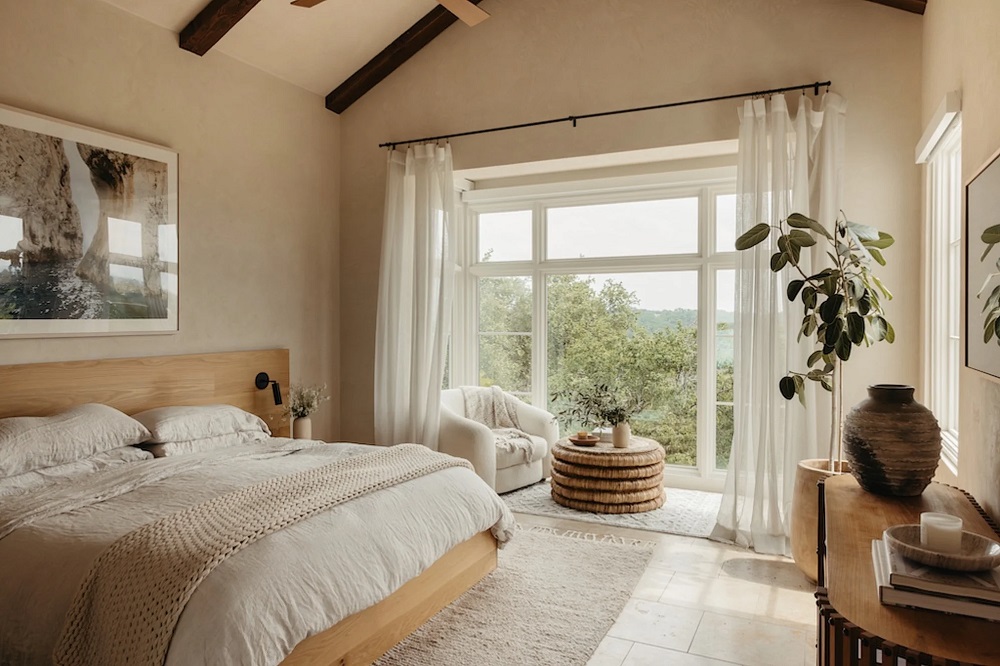
A home should feel calm and livable. While minimalism promises clarity and ease, comfort brings warmth and belonging. The real challenge isn’t choosing one over the other—it’s blending both so your space supports daily life without visual noise or emotional coldness.
Understanding Minimalism Beyond Empty Rooms
Minimalism is often misunderstood as stark or bare. At its core, it’s about intentional living—keeping what adds value and removing what doesn’t.
Key principles of minimalism include:
-
Purpose-driven furniture and decor
-
Clear surfaces that reduce distraction
-
Thoughtful storage to hide clutter
-
A limited, cohesive color palette
When done right, minimalism creates breathing room for your mind and your routines.
Why Comfort Matters in Everyday Living
Comfort is what turns a house into a home. It’s the feeling of ease when you sit down after a long day or wake up to a space that feels familiar and supportive.
Comfort often comes from:
-
Soft textures like throws, cushions, and rugs
-
Warm lighting rather than harsh overheads
-
Furniture that supports real-life use, not just aesthetics
-
Personal items that carry emotional value
Without comfort, minimalism can feel distant. Without minimalism, comfort can drift into clutter.
Where Minimalism and Comfort Clash
The tension usually shows up in everyday decisions:
-
A minimalist sofa that looks great but isn’t relaxing
-
Removing decor that actually makes you feel at home
-
Choosing form over function for the sake of simplicity
Recognizing these friction points helps you design with balance in mind rather than following trends blindly.
Creating a Balanced, Functional Home
1. Choose Comfort-First Minimal Furniture
Look for pieces that are simple in design but generous in comfort. Clean lines don’t have to mean stiff seating.
Tip: Sit, lean, and test furniture before buying whenever possible.
2. Layer Textures Without Adding Clutter
Textures add warmth without visual overload.
Effective texture ideas:
-
Linen curtains in neutral tones
-
A wool or cotton area rug
-
One or two throw pillows in natural fabrics
These elements soften minimalist spaces while keeping them uncluttered.
3. Keep What You Actually Use
A functional home reflects real habits.
Ask yourself:
-
Do I use this weekly?
-
Does it serve a clear purpose?
-
Would I replace it if it were gone?
If the answer is yes, it earns its place—minimalism doesn’t require deprivation.
4. Design Storage That Disappears
Hidden storage allows comfort to exist without visual chaos.
Smart storage solutions include:
-
Ottomans with internal compartments
-
Built-in shelving with closed cabinets
-
Under-bed storage for seasonal items
This keeps everyday necessities close without dominating the room.
5. Let Personality Show—Selectively
A functional home should still feel personal.
Choose a few meaningful items:
-
Framed photos
-
Artwork you genuinely love
-
Travel mementos with a story
Displaying fewer items makes each one feel intentional rather than excessive.
Room-by-Room Balance Tips
Living Room
-
Anchor the space with a comfortable sofa
-
Limit decor to one focal wall or surface
-
Use warm lighting to soften clean lines
Bedroom
-
Prioritize bedding quality over decorative extras
-
Keep surfaces mostly clear for mental rest
-
Add softness through textiles rather than objects
Kitchen
-
Clear countertops, but keep daily tools accessible
-
Use drawer organizers to reduce visual clutter
-
Balance sleek finishes with warm wood or matte textures
The Emotional Side of Balance
A balanced home supports how you feel, not just how it looks. Minimalism reduces stress by eliminating excess, while comfort supports emotional well-being. When combined, they create spaces that are calming, practical, and deeply personal.
There’s no perfect formula—only thoughtful choices that align with your lifestyle.
FAQ: Minimalism and Comfort in Home Design
1. Can a minimalist home still feel cozy?
Yes. Cozy minimalism relies on warm lighting, natural textures, and comfortable furniture rather than excessive decor.
2. How do I avoid making my home feel cold or empty?
Focus on layering textures, choosing warm color tones, and keeping meaningful personal items visible.
3. Is minimalism suitable for families?
Absolutely. Family-friendly minimalism emphasizes functional storage, durable materials, and keeping only what’s actively used.
4. How often should I declutter in a minimalist home?
A light seasonal review is usually enough to reassess what still serves your needs.
5. Does minimalism mean owning fewer things forever?
Not necessarily. It means being intentional—items can change as your lifestyle evolves.
6. What’s the biggest mistake people make with minimalism?
Prioritizing appearance over comfort, leading to spaces that look good but feel unlivable.
7. How do I start balancing minimalism and comfort without redesigning everything?
Begin small—edit one room, swap harsh lighting for warm bulbs, and remove only what feels unnecessary rather than everything at once.