


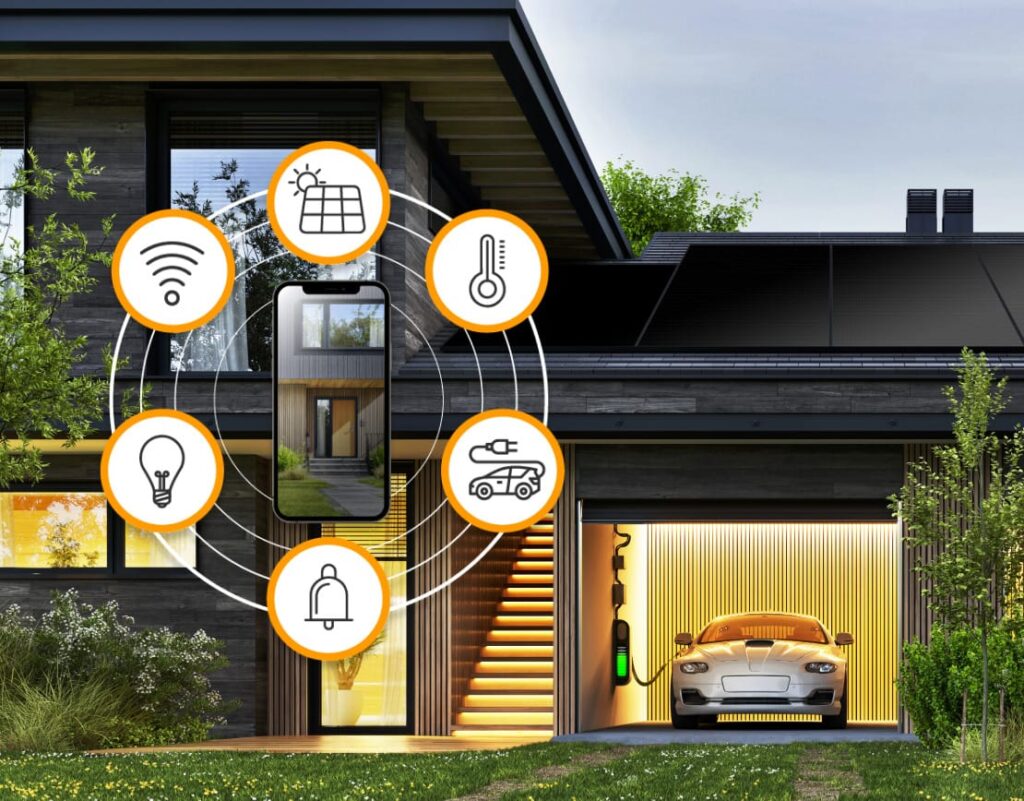
Rising energy prices and environmental concerns have pushed homeowners to rethink how their houses consume power. Smart homes offer a practical solution by combining automation, data, and connectivity to cut waste and lower monthly bills. Instead of relying on manual habits alone, smart systems actively manage energy use in real time.
What Makes a Home “Smart” and Energy-Efficient?
A smart home uses connected devices that communicate with each other and respond to usage patterns. These systems learn from daily routines and make automatic adjustments that improve efficiency without sacrificing comfort.
Key characteristics include:
-
Automated control of heating, cooling, and lighting
-
Real-time energy monitoring with actionable insights
-
Remote access through mobile apps
-
Adaptive scheduling based on occupancy and behavior
Together, these features create a home that uses energy only when and where it’s needed.
Smart Thermostats: Precision Heating and Cooling
Heating and cooling account for a large share of household energy use. Smart thermostats reduce waste by learning preferences and adjusting temperatures automatically.
Benefits include:
-
Lower energy use during sleeping hours or when the home is empty
-
Weather-based adjustments for efficient climate control
-
Detailed reports showing where savings come from
Over time, small temperature optimizations translate into noticeable reductions in utility costs.
Intelligent Lighting Systems: Cutting Waste Effortlessly
Lighting efficiency goes beyond LED bulbs. Smart lighting systems ensure lights are never left on unnecessarily.
Common energy-saving features:
-
Motion sensors that turn lights off in empty rooms
-
Daylight detection that dims lights when natural light is sufficient
-
Automated schedules aligned with daily routines
These systems can reduce lighting-related energy use significantly, especially in larger homes.
Smart Appliances and Plug Management
Many appliances draw power even when not in active use. Smart plugs and connected appliances address this hidden energy drain.
How they help:
-
Automatically shutting off devices in standby mode
-
Scheduling high-energy appliances during off-peak hours
-
Providing usage data for each connected device
This level of visibility helps homeowners make informed decisions about replacing inefficient appliances.
Home Energy Monitoring: Data That Drives Savings
Smart energy monitors track electricity usage at the circuit or device level. Instead of guessing where energy goes, homeowners see clear patterns.
Advantages include:
-
Identifying energy-hungry devices
-
Detecting unusual spikes that signal inefficiency
-
Measuring the impact of changes in real time
With data-driven insights, it becomes easier to adjust habits and optimize systems for long-term savings.
Renewable Integration and Smart Homes
Smart homes pair well with renewable energy sources such as solar panels. Automation ensures that self-generated power is used efficiently.
Examples include:
-
Running appliances when solar production is highest
-
Storing excess energy for later use
-
Balancing grid power and renewable sources seamlessly
This integration not only reduces bills but also increases energy independence.
Long-Term Financial and Environmental Impact
While smart home devices require upfront investment, the long-term savings often outweigh initial costs. Reduced energy consumption means lower monthly bills and less strain on power grids.
Additional benefits:
-
Increased property value
-
Lower carbon footprint
-
Improved comfort with minimal manual effort
Smart homes turn energy efficiency into a continuous, automated process rather than a constant chore.
Frequently Asked Questions
1. How much can smart home technology reduce energy bills?
Savings vary by household, but many homeowners see reductions of 10–30% through optimized heating, lighting, and appliance use.
2. Are smart homes expensive to maintain?
Most smart devices require minimal maintenance beyond software updates and occasional battery replacements.
3. Do smart homes still save energy if occupants have irregular schedules?
Yes, adaptive systems learn changing routines and adjust automatically, making them effective even with unpredictable schedules.
4. Can smart homes work in older houses?
Smart devices are compatible with most existing homes and typically don’t require major renovations.
5. Is internet access required for energy savings?
Basic automation works locally, but internet connectivity enhances features like remote control, updates, and advanced analytics.
6. Are smart homes secure from a data privacy standpoint?
Reputable devices include encryption and security updates, but users should follow best practices such as strong passwords and regular updates.
7. How long does it take to see a return on investment?
Depending on usage and local energy costs, many homeowners notice measurable savings within the first year.