


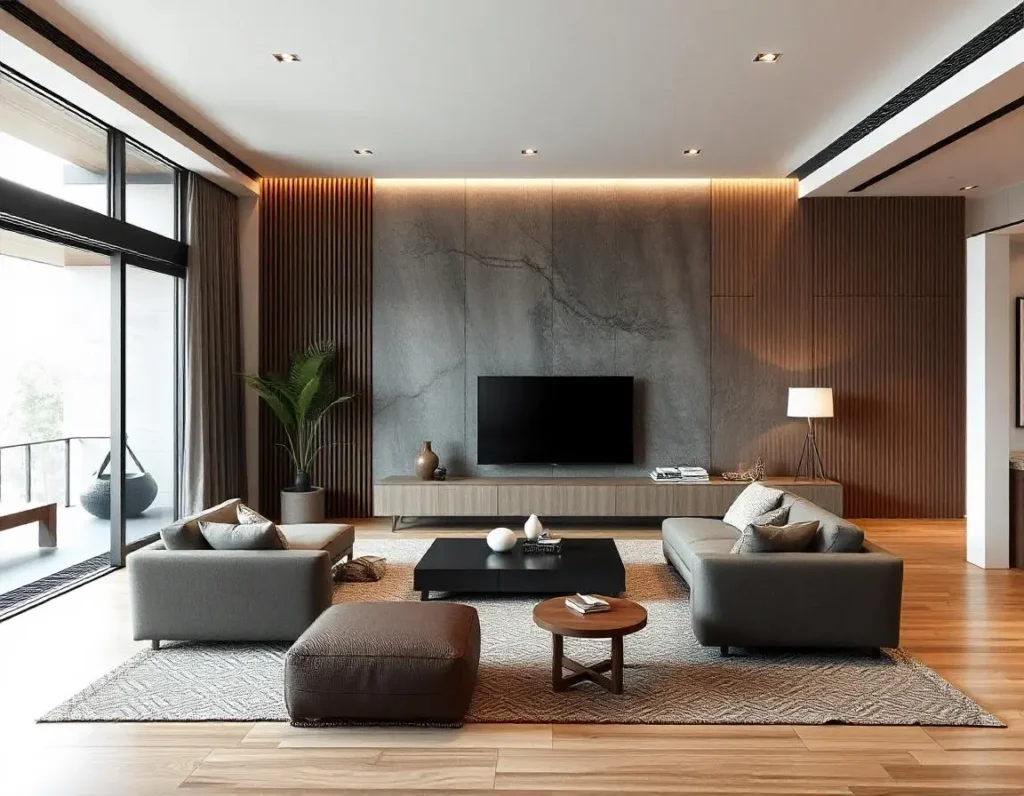
Interior design today is no longer confined by geography. As travel, media, and digital exposure connect cultures more closely than ever, modern homes are becoming reflections of global influence. From handcrafted Moroccan tiles to minimalist Japanese layouts, cultural aesthetics now blend seamlessly into contemporary interiors, creating spaces that feel both personal and worldly.
This fusion is not about copying traditions but adapting cultural elements in ways that suit modern lifestyles while preserving their essence.
The Rise of Global Aesthetics in Modern Interiors
Cultural influence in interior design has grown alongside globalization. Homeowners are increasingly inspired by places they have visited, cultures they admire, or traditions they feel connected to.
Several factors have accelerated this trend:
-
Increased international travel and cultural exposure
-
Social media showcasing global design styles
-
Online marketplaces offering artisan-crafted décor worldwide
-
A growing appreciation for authenticity and storytelling in homes
Modern interiors now serve as cultural narratives, telling stories through materials, patterns, and craftsmanship.
How Different Cultures Influence Interior Design Styles
Japanese Influence: Minimalism and Harmony
Japanese design emphasizes balance, simplicity, and nature. It has deeply influenced modern interiors through:
-
Clean lines and uncluttered layouts
-
Neutral color palettes
-
Natural materials like wood and stone
-
A strong connection between indoor and outdoor spaces
This approach creates calm, functional environments ideal for modern living.
Scandinavian Influence: Comfort Meets Functionality
Scandinavian interiors prioritize warmth and usability without sacrificing beauty. Key characteristics include:
-
Light-filled spaces
-
Soft textures and cozy furnishings
-
Muted tones paired with natural wood
-
Practical layouts designed for everyday comfort
This style has become especially popular in urban homes seeking simplicity with character.
Mediterranean and Moroccan Influence: Color and Craft
Bold patterns and artisanal details define these influences. Common features include:
-
Intricate tilework
-
Earthy hues combined with vibrant accents
-
Handcrafted furniture and décor
-
Layered textures that add depth and warmth
These elements introduce richness and visual interest into modern spaces.
Cultural Fusion: Blending Traditions in Contemporary Homes
Cultural fusion design thoughtfully combines multiple influences rather than relying on a single tradition. When done well, it feels intentional rather than chaotic.
Successful cultural blending often involves:
-
Choosing one dominant style and layering accents from others
-
Maintaining a cohesive color palette
-
Balancing bold cultural pieces with neutral backdrops
-
Prioritizing quality craftsmanship over mass-produced décor
This approach allows homeowners to express individuality while keeping interiors cohesive.
Materials, Patterns, and Textures from Around the World
Global design influence is most visible in the details. Materials and patterns often carry deep cultural significance.
Popular globally inspired elements include:
-
Handwoven rugs from traditional craft regions
-
Natural fibers such as jute, linen, and wool
-
Carved wood, stone, and clay accents
-
Symbolic patterns that reflect heritage and storytelling
These elements bring authenticity and tactile richness into modern interiors.
Cultural Sensitivity and Authentic Design Choices
Incorporating global aesthetics comes with responsibility. Respecting cultural origins is essential to meaningful design.
Best practices for culturally inspired interiors:
-
Learn the history behind design elements
-
Support artisans and ethical sourcing
-
Avoid stereotypes or superficial interpretations
-
Use cultural references as inspiration, not imitation
Authenticity adds depth and ensures designs feel respectful rather than decorative.
The Future of Cultural Influence in Interior Design
As sustainability and personalization continue to shape interior design, cultural influence is expected to grow even stronger. Homeowners are gravitating toward:
-
Timeless, heritage-inspired craftsmanship
-
Sustainable, locally sourced global materials
-
Spaces that reflect personal identity and global awareness
Modern homes will increasingly become curated expressions of cultural appreciation, blending tradition with innovation.
Frequently Asked Questions
How can I add cultural elements to my home without overwhelming the space?
Focus on a few statement pieces, such as textiles or artwork, and balance them with neutral furnishings.
Is cultural fusion interior design suitable for small homes?
Yes, when done thoughtfully. Minimalist global influences work especially well in compact spaces.
Can traditional cultural décor work in modern interiors?
Absolutely. Traditional elements often stand out beautifully against contemporary backdrops.
How do I ensure cultural design choices are respectful?
Research the cultural background, avoid clichés, and support authentic craftsmanship.
Are global design elements expensive?
Not necessarily. Many affordable options exist, especially when mixing artisan accents with modern furniture.
Which cultural style is best for a modern home?
There is no single best choice. The most successful designs reflect personal taste and lifestyle.
Can cultural influence improve the emotional feel of a home?
Yes. Spaces inspired by meaningful cultures often feel warmer, more intentional, and emotionally engaging.